
Animal Companions
)
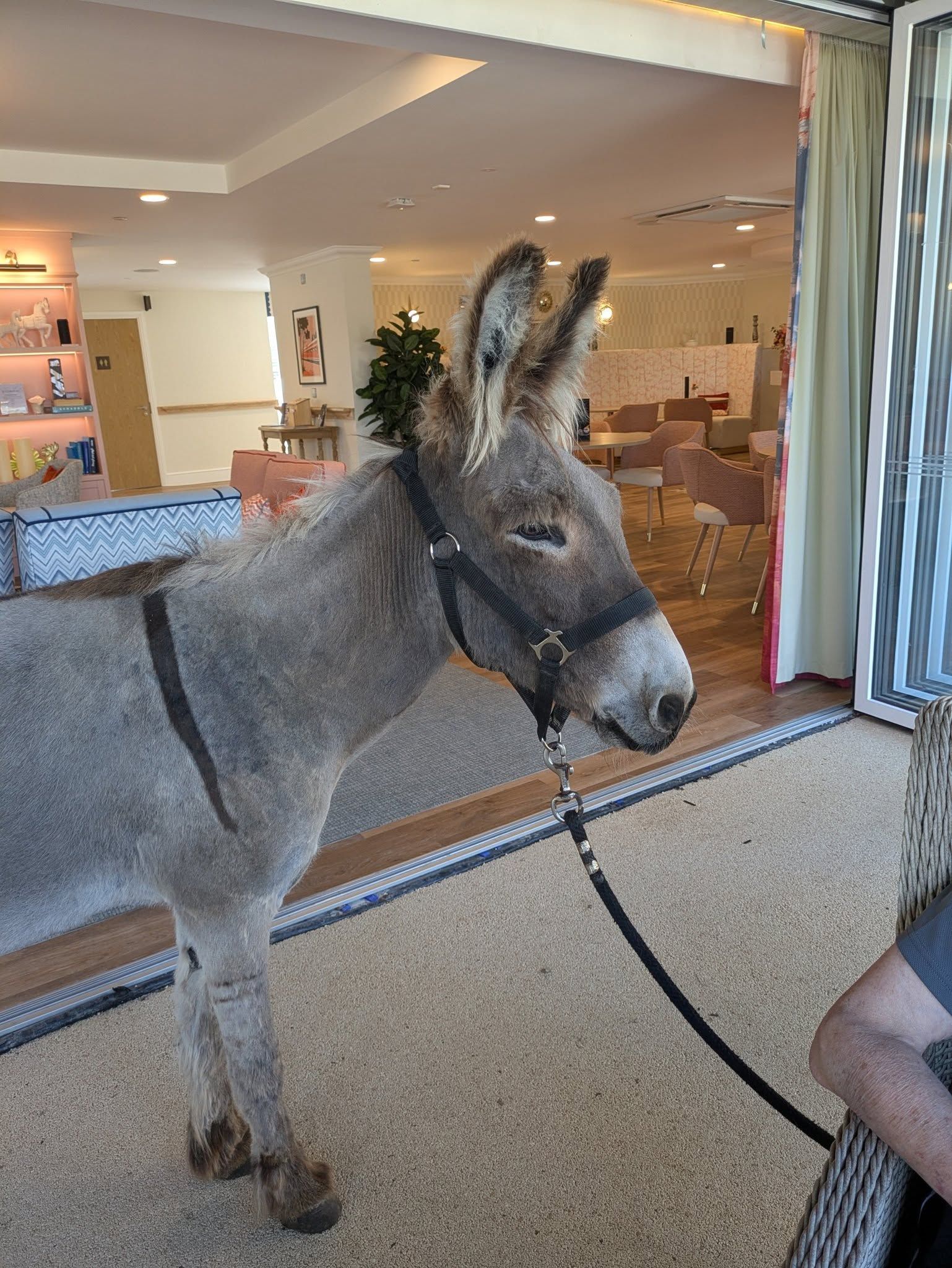
At Care Home Magazine, we understand that implementing regular activities and events is vital to enhancing residents' well-being. While traditional activities such as flower arranging remain popular, January's focus will be on the benefits of animal-centred activities in care homes, with insights from Connaught Care, Spotty Paws, Principle Care Homes, and Barchester Healthcare.
January is often a quiet month as we come down from the highs of the Christmas period, and the importance of continuing enriching activities is often overlooked as care homes attempt to return to their normal routines. It is essential to remember that activities do not have to be challenging to organise or overwhelming for staff and residents; they can be beneficial and straightforward for everyone in the home, such as spending time with animals.
Preparing
Before starting an animal-focused activity, it's crucial to consider several key factors. While these are quick to address, they significantly improve the experience for staff and residents.
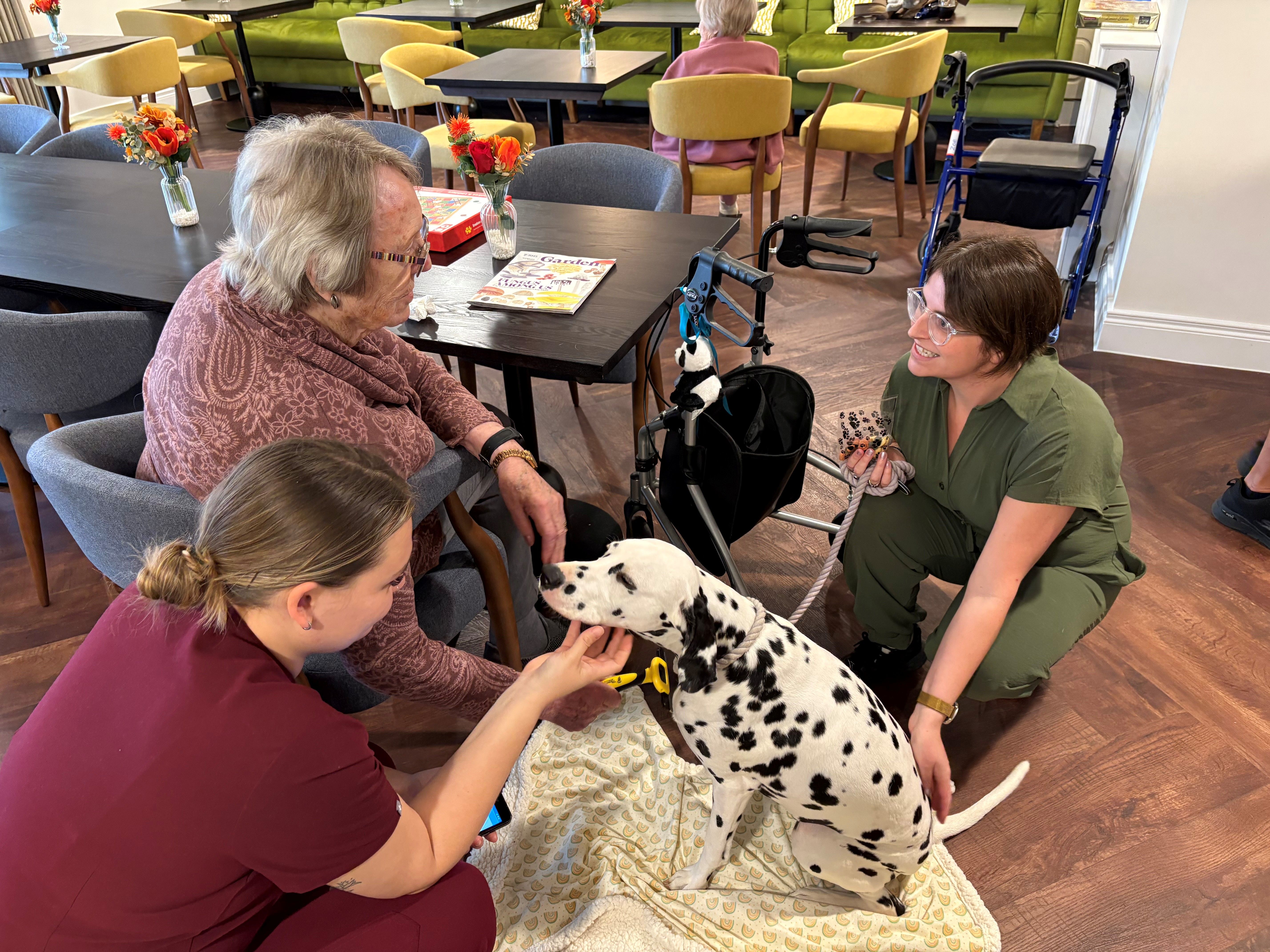
At Willowbrook View, a Connaught Care Home, all animals used in activities undergo risk assessments in advance and are brought in by a specialised therapy-animal company familiar with care-home policies and procedures. These assessments include evaluations of animal temperament, suitability for group settings, and safe handling instructions. For hygiene and infection control, residents are encouraged to wash or sanitise their hands before and after contact with animals. The housekeeping team should ensure a routine high-standard cleaning of the home and refresh specific areas used for sessions afterwards. Care homes should maintain transparency with external providers about any infections or concerns, allowing sessions to be paused or adapted if needed.
Connaught Care Homes requires new residents to complete a pre-assessment to identify their preferences and dislikes, and discusses their life stories and backgrounds with families. This information guides the planning of person-centred activities instead of generic options. Spotty Dogs, a dog therapy provider, emphasises the need to customise animal visits to each resident to maximise benefits, whether through lively group interactions or quiet one-on-one sessions.
Farley Gardens, a Barchester home, recommends reaching out to local dog owners, animal charities, or volunteer pet therapy groups to invite friendly, well-socialised dogs. Simple activities like baking dog treats, setting up a “pup station” with water bowls, or engaging in small craft activities can create structure and foster engagement. Homes like Principle Care Homes can start by informing families that they are welcome to bring well-behaved pets for visits.
Emotional Benefits
Interacting with animals can help residents reconnect with cherished childhood memories of pets and animal companions, making these moments deeply meaningful for them. The bond between people and animals often feels instant and vivid; even residents who are typically quiet or withdrawn tend to brighten when an animal comes near. Homes have observed noticeable improvements in residents' moods: more smiles, laughter, and visible signs of comfort and calmness during animal visits.
The visits naturally spark interest and storytelling. Animals often trigger memories of pets people have had, farms they worked on, or family experiences, and that quickly turns into conversation between residents. Activities like this may encourage people who don’t typically engage in group chats to begin reminiscing and sharing stories when an animal arrives. At Willowbrook View, residents can choose how engaged they are with animals and step away when necessary to benefit most from them.
Staff also benefit from animal-centred activities, which boost morale and create shared moments of calm and laughter. Dogs have a natural way of softening the atmosphere and making a home feel truly homely.
“One of our ladies is often quite emotional day-to-day, but on a particular visit, we had chickens visit the home. She had one sitting calmly on her knee, and she began speaking fondly and in detail about keeping chickens during the war. She discussed collecting eggs and how important it was for feeding her family at the time. It was a lovely moment because her mood visibly softened, and she seemed grounded and proud as she shared that memory. Moments like that are precisely why animal therapy is so valuable: it unlocks stories, identity, and comfort that might otherwise stay hidden.” - Willowbrook View's General Manager, Jane Edwards.
Physical Benefits
Whilst there are numerous emotional benefits residents can experience from engaging with animals, it is easy to overlook the physical benefits that can further enhance their day-to-day experience. Spending time with animals can reduce stress markers such as cortisol and heart rate by releasing oxytocin, serotonin, and dopamine. When residents are more relaxed, they tend to sleep better and feel less lonely, which can improve overall resident wellbeing long after the activity has taken place.
The sessions encourage gentle movement and engagement for residents by allowing them to stroke, brush, or feed the animals, supporting hand and arm mobility in a natural, enjoyable way. Even watching the animals move can stimulate attention and alertness in residents who are usually withdrawn. Overall, the visits create a sense of warmth and wellbeing that lasts beyond the session itself.
