Care Show Birmingham 2026: big conversations, practical ideas and plenty to celebrate
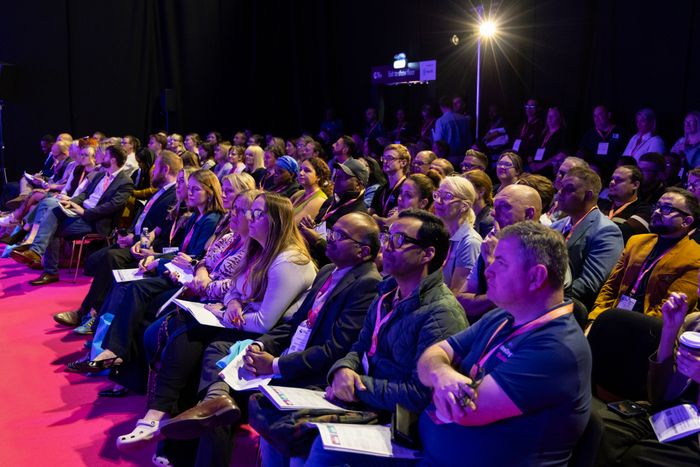
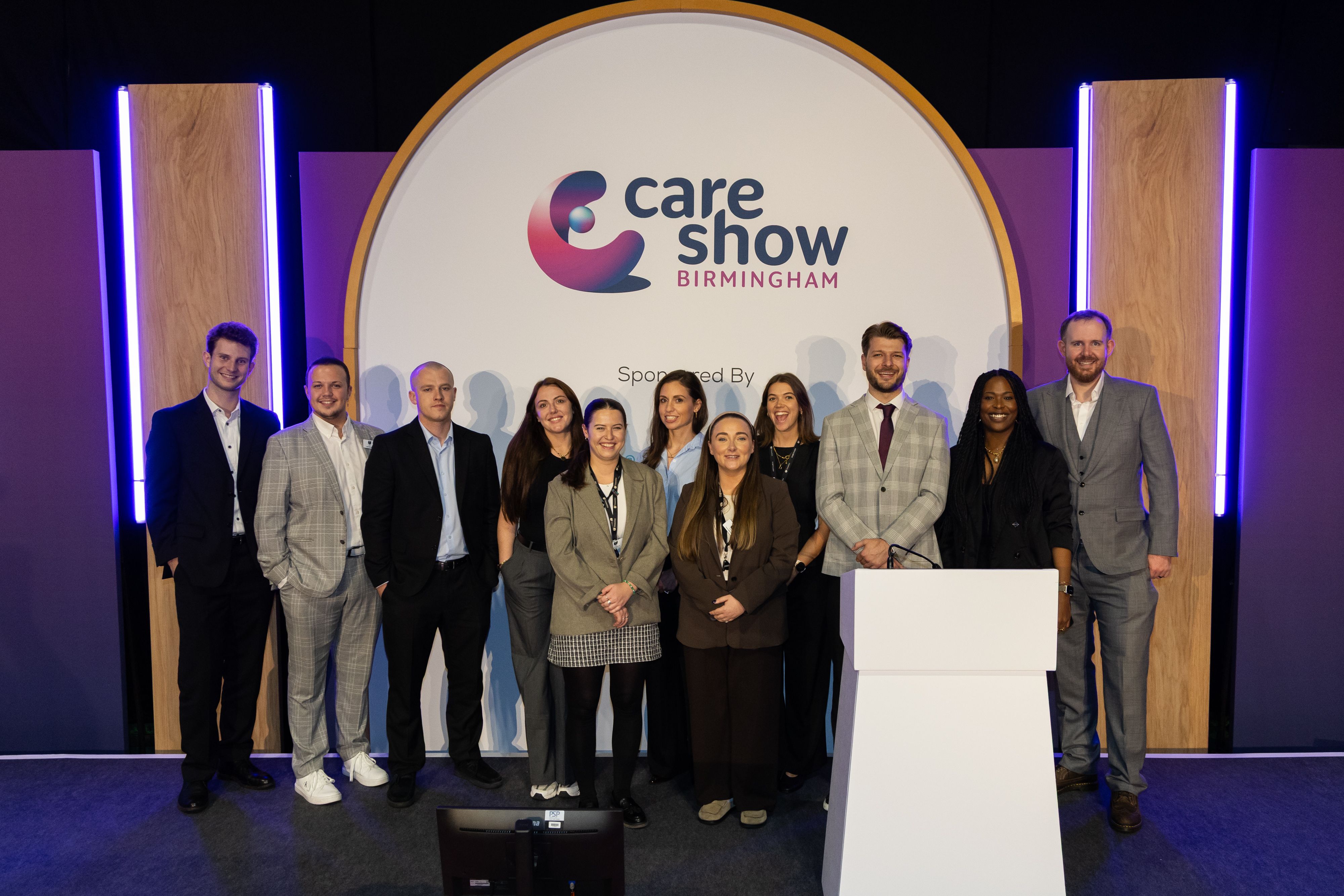
On 7 and 8 October, Care Show Birmingham returned to the NEC, bringing together 4,500 attendees, more than 300 exhibitors and 239 speakers.
As always, there was a real buzz in the air. Adult social care is a demanding sector, and there was no shortage of serious conversations about funding, workforce, regulation and the future of services. But alongside those discussions was a strong feeling of optimism, energy, and pride in the work taking place across adult social care.
From familiar faces catching up in the gangways, to first-time visitors finding their way around the show floor, there was a warmth to the event that is difficult to capture in numbers alone. People came to learn, make connections and find practical ideas, but they also came together as a sector. That was one of the things that made this year’s show feel particularly special.
A new space for the business of care
One of the biggest highlights was the success of the brand-new Owners’ & Directors’ Forum. It brought senior-level business conversations into the heart of the show, creating space to talk honestly about the decisions involved in running and developing a care organisation.
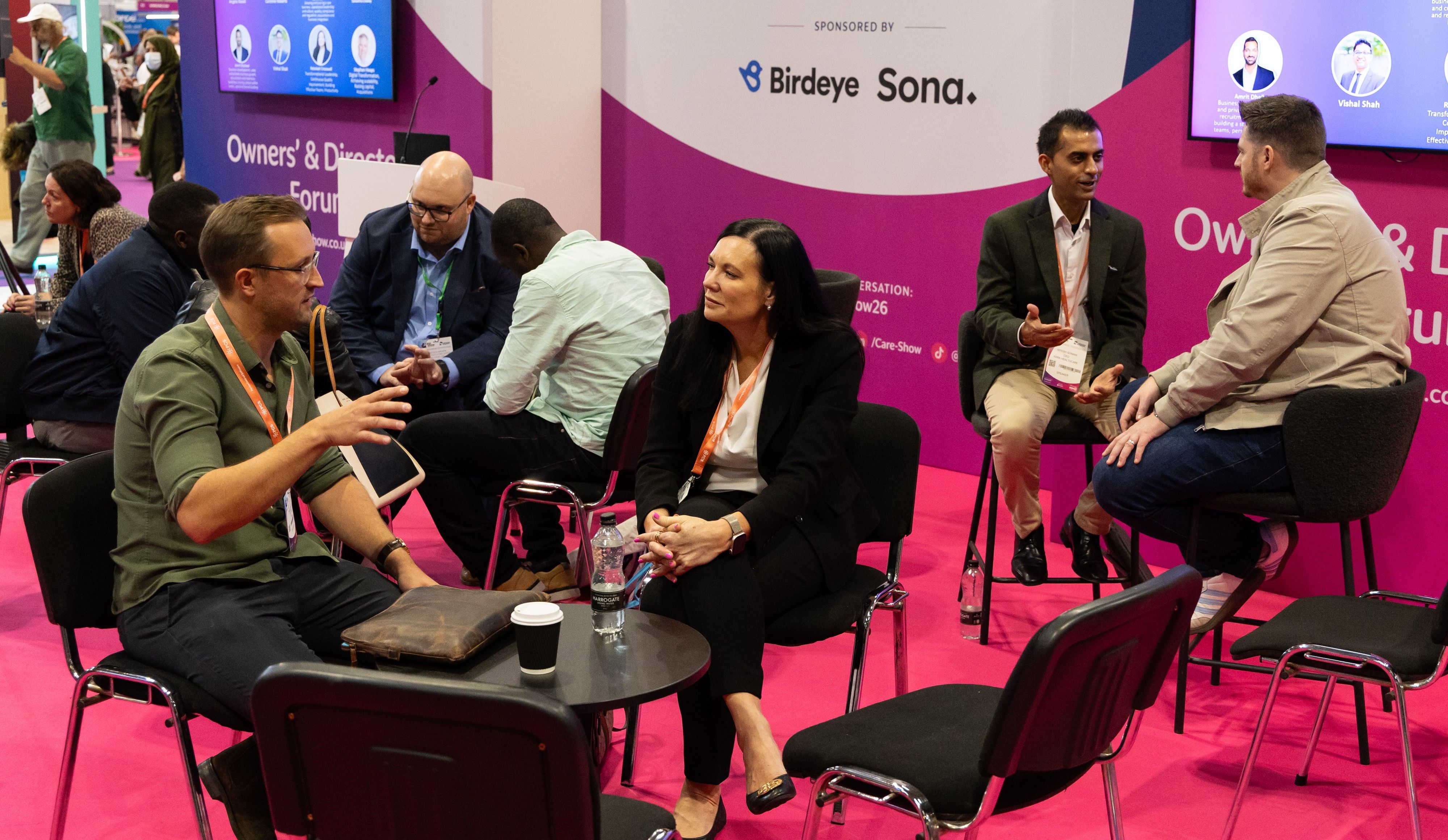
The forum covered the realities that sit behind the delivery of care, including funding, commissioning, workforce, growth and sustainability. It also gave us the opportunity to introduce the Care Show Business Clinic, where a number of senior care leaders gave their time to sit down one-on-one with attendees and answer their business-focused questions. The conversations were practical, open and often very specific, covering everything from business planning and staffing to growth and day-to-day decision-making.
It was a great example of what the show does. It brings people together, makes expertise accessible, and creates useful conversations between people who understand the realities of care.
“It was a pleasure to be involved in the Care Show Business Clinic, and I thoroughly enjoyed the opportunity to speak with delegates and share experiences from across the sector. The conversations were engaging, insightful and a reminder of the passion and commitment that exists throughout social care." – Nye Brown, CEO, Hallmark Luxury Care Homes
Insights, conversations, and takeaways
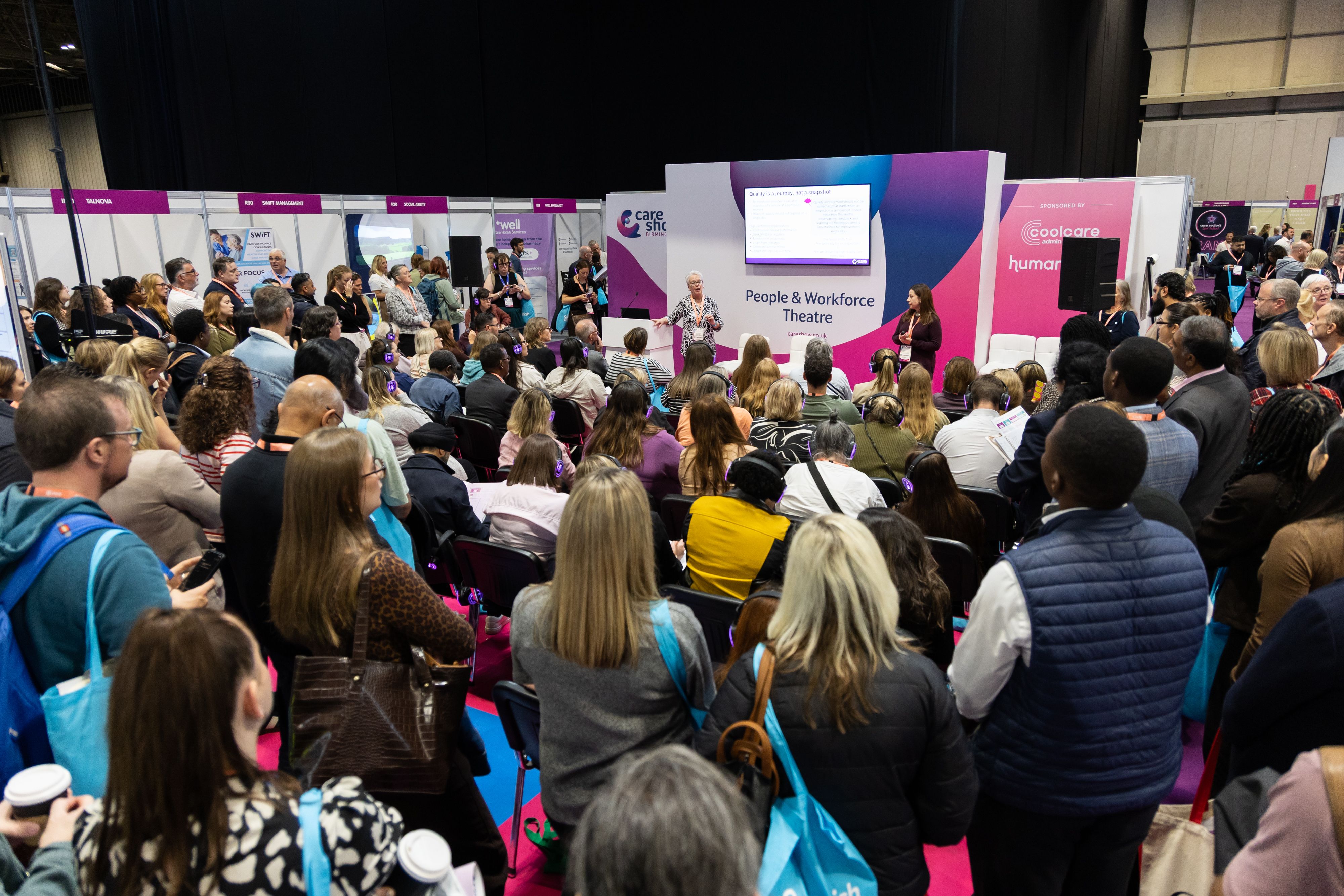
The conference programme reflected the breadth of the sector, but one theme ran through almost every conversation: care depends on people.
There were discussions about recruitment, retention, career development and the need to recognise the skill and responsibility involved in care work. There was also plenty of attention given to the people leading services, supporting teams and finding ways to keep delivering the best quality of care possible in challenging circumstances.
That focus felt important. Workforce conversations can easily become centred only on shortages and vacancies, but the programme also recognised the knowledge, commitment and creativity already present across the sector. Care workers, managers, registered nurses, commissioners and leaders all have an important part to play in shaping what happens next.
The future of regulation
Chris Badger’s session offered an opportunity for the sector to hear directly from the Chief Inspector of Adult Social Care and Integrated Care at the Care Quality Commission (CQC) about the direction of travel for regulation.
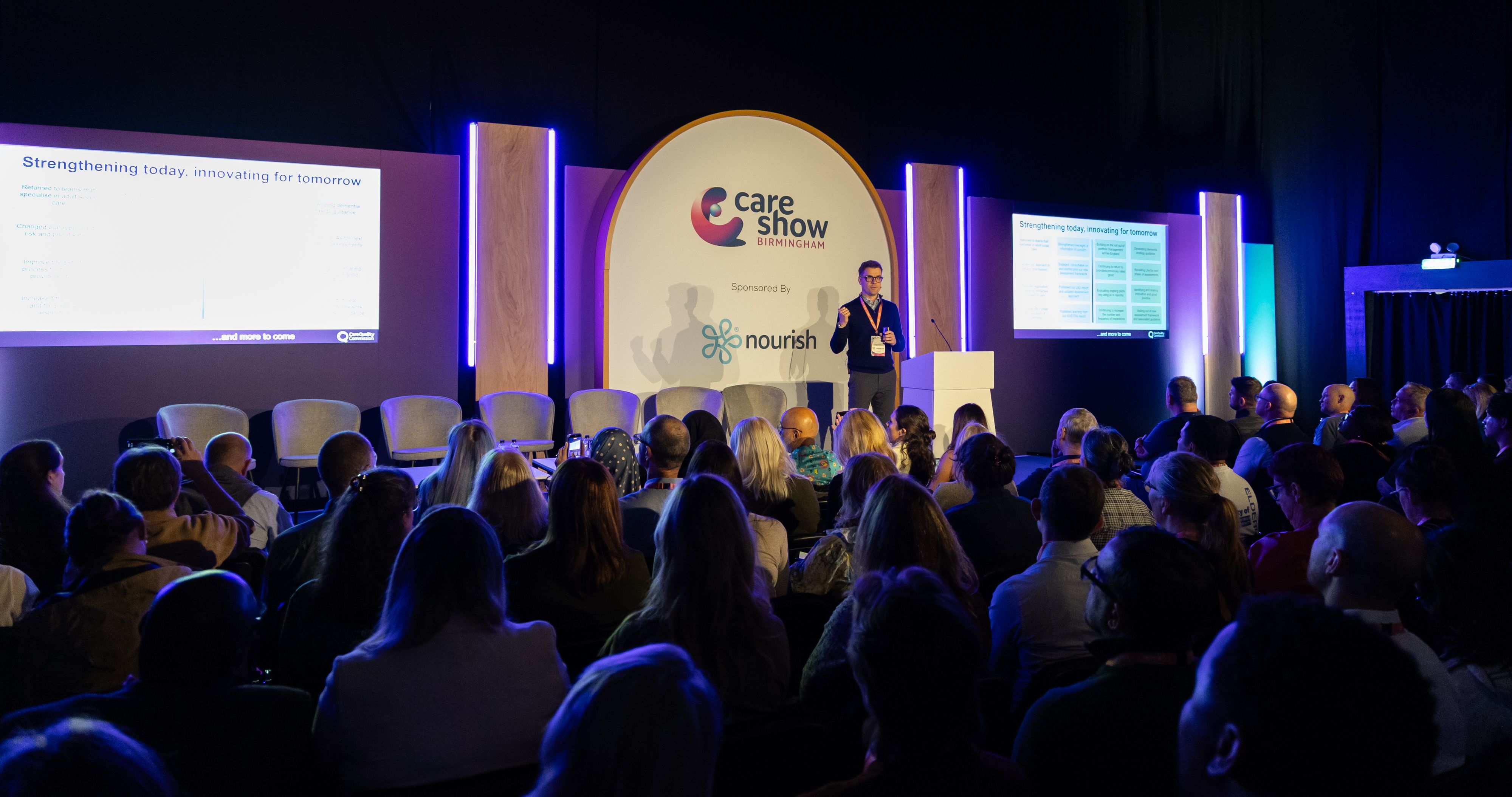
The discussion covered the changing role of the CQC, including dedicated adult social care teams, increased inspections and a more preventative, relationship-based approach. It also explored the importance of clearer expectations, better sharing of good practice and a balanced approach that recognises both safety and the quality of people’s experiences.
What made the session particularly valuable was the openness of the conversation. Providers were able to ask direct questions about assessment frameworks, factual accuracy, compliance and how outstanding care can be recognised. The discussion acknowledged that regulation has to take the fundamentals seriously, while also keeping sight of what good care actually looks and feels like.
The message was not that good care needs to be complicated. It was that it needs to be consistent, compassionate, personalised and focused on outcomes.
Check out the full session recap here
Making neighbourhood health a shared project
The Keynote session on neighbourhood health explored what this developing approach could mean for care providers and the communities they support.
It quickly became clear that many people are still trying to understand how neighbourhood health will work in practice. Led by Dudley Sawyerr, Vic Rayner (National Care Forum), and Iain MacBeath (DHSC) considered how adult social care can move from being an afterthought in health-led discussions to being an equal partner in shaping local services.
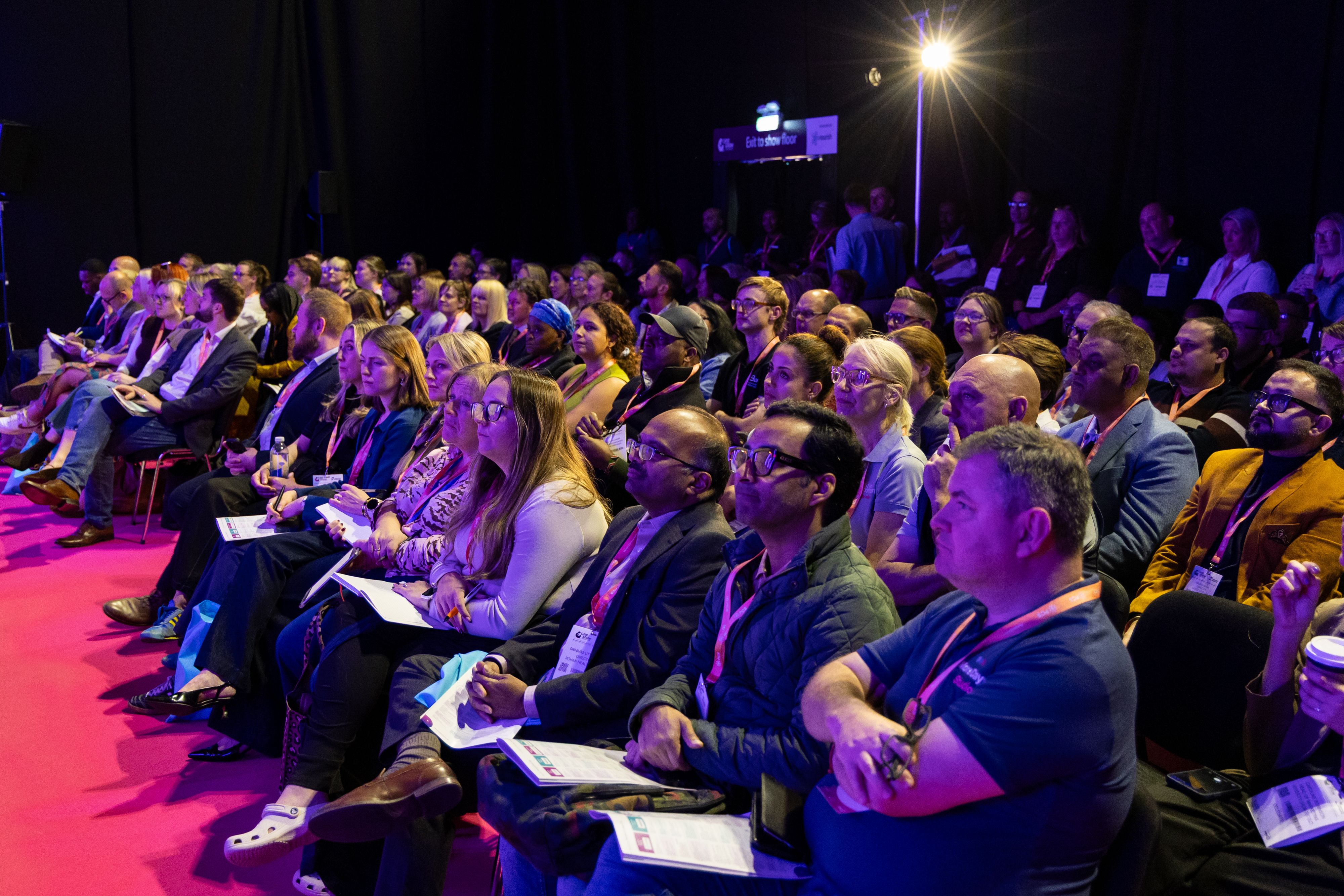
There was a strong focus on the strengths social care already brings to this conversation. Care providers are rooted in their communities; care workers often notice changes in someone’s health before anyone else and services are already supporting people in their own homes and local areas.
For that contribution to be properly recognised, providers need to be involved early, given equal status and supported with the time and resources to participate. The practical advice from the session was simple: find out who is coordinating neighbourhood health in your area, understand what your local neighbourhood looks like and get involved.
Looking ahead with confidence
Across the wider programme, there was plenty of discussion about what care could look like in the future, from neighbourhood working and delegated healthcare to artificial intelligence, digital tools, design and more complex care needs.
What stood out was that these conversations were not about chasing change for its own sake. They were about finding better ways to support people, help teams work well and build services that can respond to the realities of people’s lives.
There was a sense that the future of care will not be created by one big idea. It will be shaped by thousands of practical decisions made by providers, care workers, leaders, commissioners and partners every day. The show offered a space to share those ideas, challenge one another and recognise the progress that is already being made.
Thank you to everyone who helped make Care Show Birmingham 2026 such a positive and welcoming event: our speakers and chairpeople, exhibitors, partners, attendees, mentors, and our wider show team.
You brought the knowledge, questions, and energy that made the show what it was. Most importantly, you helped create a space where the sector could come together, celebrate the work already taking place and look ahead to what might be possible.
From all of us at Care Show Birmingham, thank you!